The main setting for my Horniman animation is underwater; exploring the aquatic life that thrived during the Permian period. While in the Horniman Museum, the aquarium there was the prefect place to draw inspiration for this idea.
Carribean mangrove swamp
- Mangrove communities develop only near the sea because they cannot compete successfully with freshwater flora.
- Typically have two categories of classification: mainland or oceanic island
- Different types of mangroves: red, black, and white
- RED: (Referred as “red” mangrove because they produce chemicals called tannins that turn the water and mud a rusty colour) live in the deepest salt water, have large prop-roots often times called “walking roots”, with thick lenticels for gas exchange, and its leaves are broadly-elliptical and the largest of the three.
- BLACK: (Referred as “black” mangrove because the older sections of the trunk and heartwood are blackish in colour) live in a few inches of salt water, further inland than the red mangroves, They can withstand higher levels of salt, they have straw-like roots that stick out vertically from the mud for gas exchange (pneumatophores), its leaves are narrow-elliptical and are about 2 to 4 inches long and have salt crystals formed on the top side; this is an adaption to living in high salt concentrations
- WHITE: (Referred as “white” mangroves because of the whitish appearance of the bark) live farthest away from the water of the three, just above the water level that the black mangrove lives in, sometimes have pneumatophores but they are usually less common, Its leaves are rounded elliptical, have two small glands at leaf base, and are more-yellow green in colour.
(source: https://yessenia-robles-scrapes.weebly.com/caribbean-mangroves-swamps-summary.html)
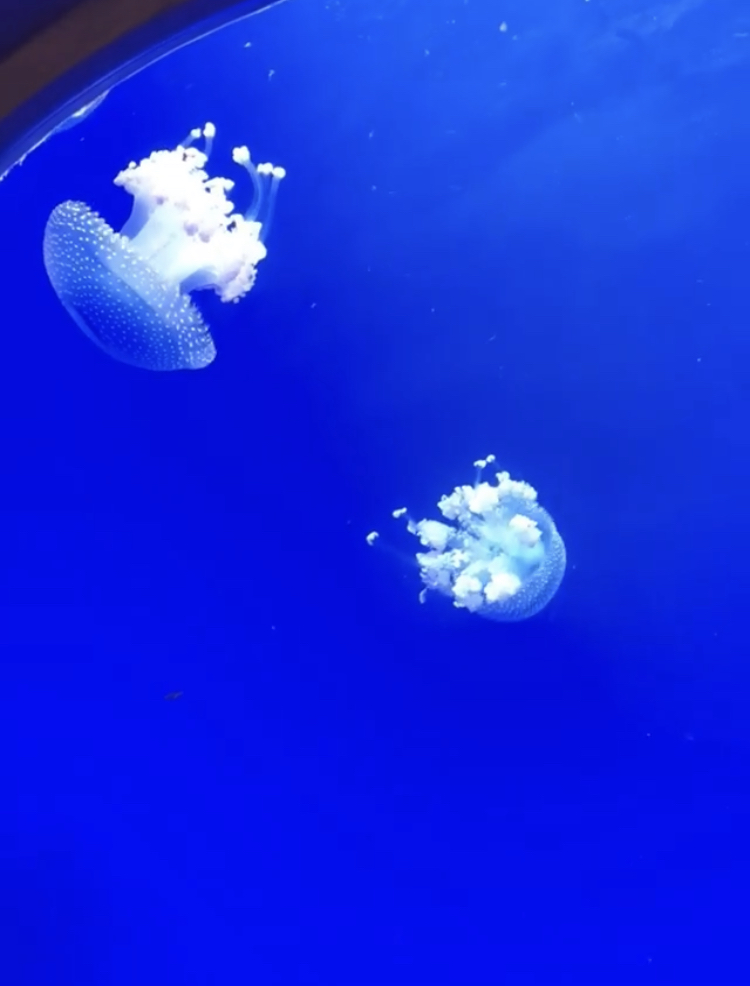
Fijian reef
- Located int he northern shore of the island of Vanua Levu, Fiji.
- The third longest continuous barrier reef in the world
- On its own, the Cakaulevu Reef covers 202,700 square kilometres (78,300 sq mi)
- Has a diverse marine population (including unique mangrove ecosystems and endemic fish)
- 12 threatened species of marine life can be found in this reef: 10 fish species, green turtles, and the spinner dolphin
(source: https://en.wikipedia.org/wiki/Cakaulevu_Reef)
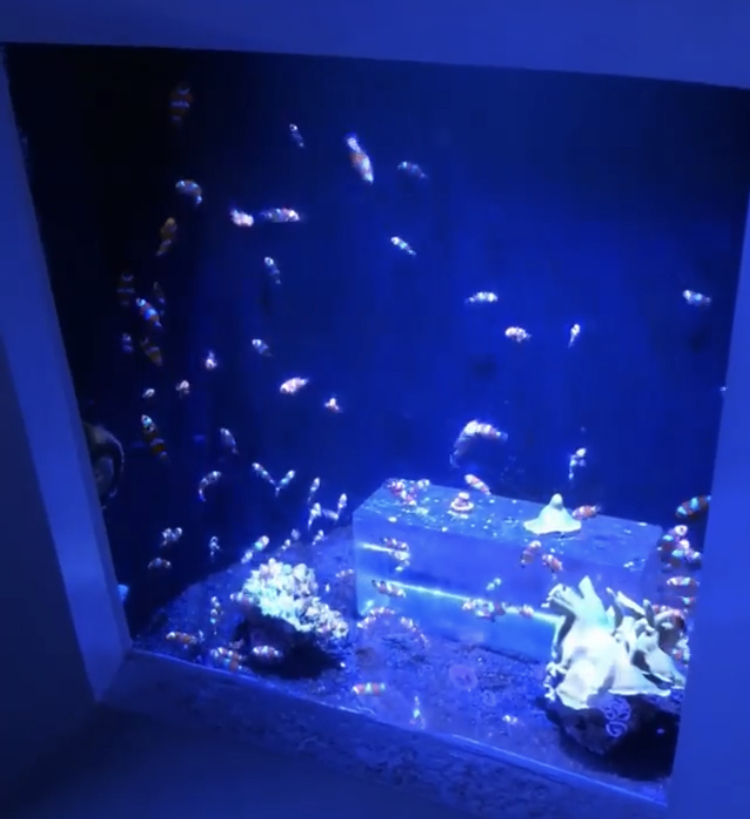
Iwokrama rainforest
- Located in the heart of the Guiana Shield
- One of the four last pristine tropical forests in the world
- The Burro-Burro River runs through the centre of the forest
- The Iwokrama Forest’s ecosystem is located at the juncture of Amazonian and Guianan flora and fauna. As a result, it contains high species richness and several species of animals that are threatened or extinct across most of their former geographic ranges (e.g. the giant ant-eater)
- The Iwokrama Forest has the highest species richness for fish (over 420 so far) and bats (90) for any area this size in the world.
(source: https://en.wikipedia.org/wiki/Iwokrama_Forest)
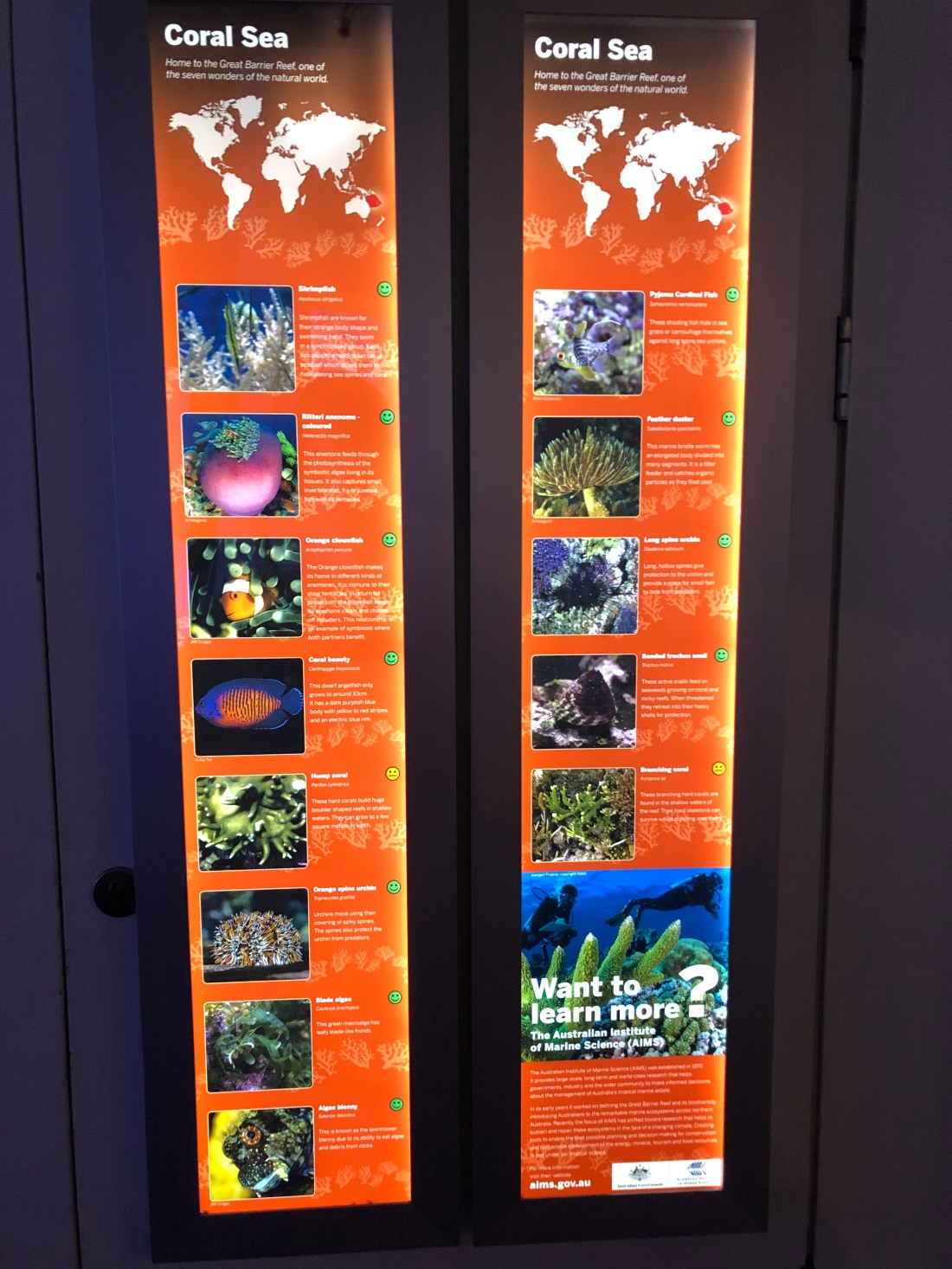

 My art journal