The main setting for my Horniman animation is underwater; exploring the aquatic life that thrived during the Permian period. While in the Horniman Museum, the aquarium there was the prefect place to draw inspiration for this idea.
Horniman Museum
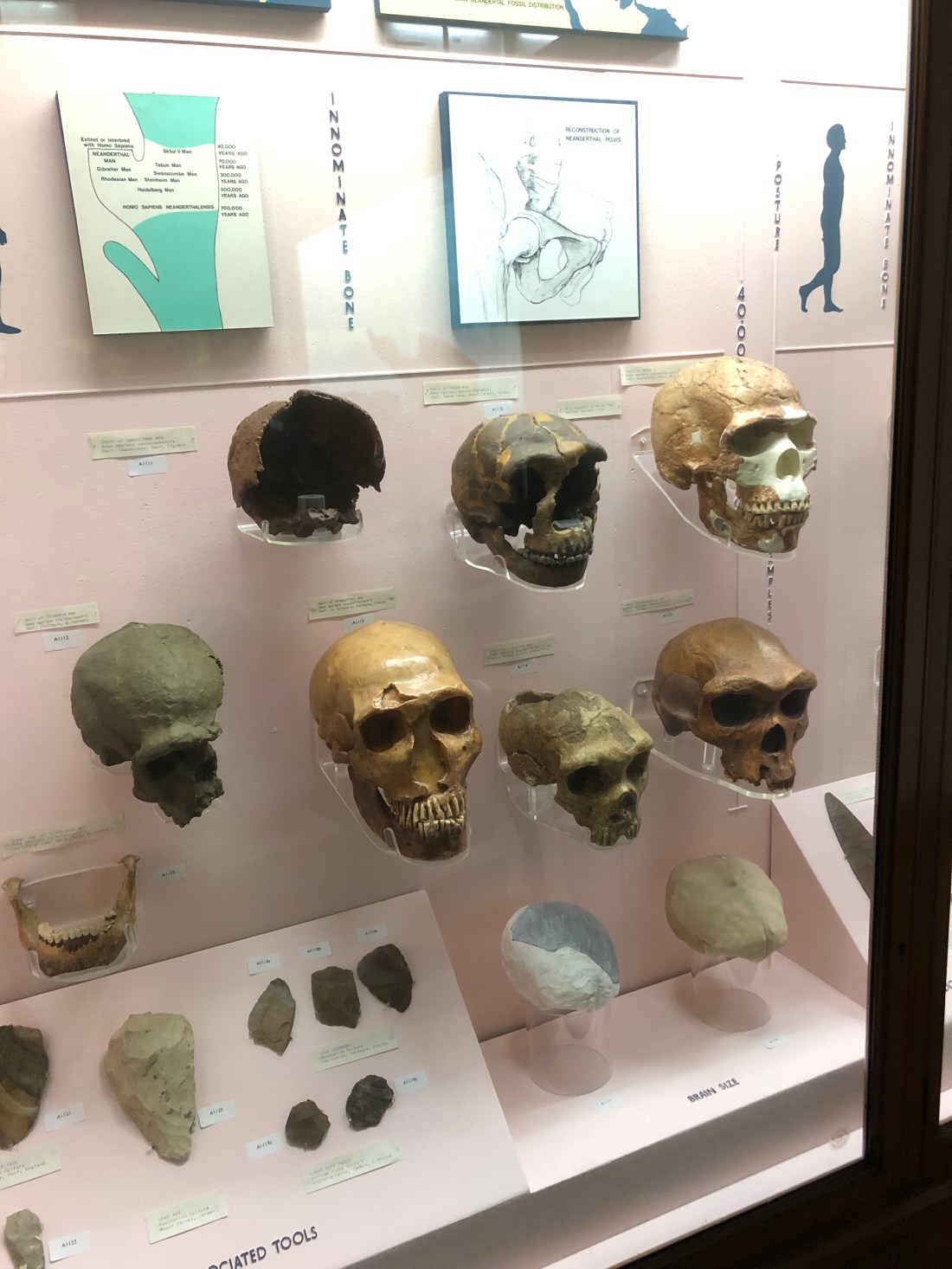
Year 2 summer project inspiration
Animation and feminism
Story telling and film form
Allures (1961)
Stream of thoughts while viewing the short film:
Friday 19th October


The ordinary “thing” we picked was a teddy bear. We ended up at this decision because we wanted to pick a childhood fear; something that everyone could sympathise with. Although children are not necessarily scared of an ordinary teddy bear, we added another childhood fear in order to heighten the horror factor in our original object: darkness. Fear of the darkness is vey common in little children and even most adults as the fear of the unknown triggers our primal instincts of survival. Rather than create a whole new monster out of nothing, we decided to bring our audience back to the past, placing them in the moment they felt most helpless and vulnerable.
Favourite animation
Animated TV shows and films were a big part of my childhood. There was no specific genre that I especially liked when I was younger and that still remains true today. Growing up in the UK, I was exposed to more western animations at first; shows like Powerpuff Girls, Teen Titans, Tom and Jerry, etc. These were the shows that shaped my childhood and these were the shows I would eagerly come home to watch everyday after school. As I got older, I still continued to watch western animated shows but I began exploring with Japanese anime. This jump from cartoons to anime was very drastic as anime was nothing like the cartoons I had been watching. Anime did not have a single target audience, there was such a large variety made for people of all ages, interests, backgrounds, and genders. There are so many animated shows/films, so many artists, so many studios that I have watched that have influenced me and pushed me to be the person I am today taking this course.
‘A Trip to the Moon’ by Georges Méliès
The short film ‘A Trip to the Moon’ was created in 1902, during the end of the French industrial revolution. This is evident in two scenes; the capsule building scene and the scene where the men gather on the roof to look for the moon. Firstly, the environment in which the capsule was constructed is very factory-like in appearance. Secondly, all the workers seem to be working on their own parts of the machinery – this is known as specialisation and is a trait among factory workers. Lastly, the view from the top exposes all the exhaust from the factories.
This was the time a lot of things were changing, humanity was moving forward and becoming more advanced. However, despite the depiction of the forward movement of machinery, this short film was still made in 1902 and the (now) outdated social views of the early 20th century are evident at certain points in the movie. For example, women have little to no screen-time throughout the movie – with their only appearance presenting them as show-girl like characters, wearing short-shorts and waving off the “big strong men.”
In today’s standards ‘A Trip to the Moon’ is a very simple production, not achieving even the standard of amateur film makers. However, we cannot compare this piece to the productions created today as it was not made for an audience 100 years in the future. Looking at it from 20th century standards, people would not have seen any form of art/entertainment like this. ‘A Trip to the Moon’ showcased a variety of genres, including: humour, adventure, action, etc. Méilès utilised varying medias and numerous effects to create this intriguing story and capture the unknown wonders of the world beyond ours. Having this visualised form of story-telling had been unprecedented and, although stories of fantasy and horror were not something new, the beginning of the 20th century brought on the development of science fiction – a new genre that explored aliens, robots, and space travel.
 My art journal